Dogs have specific biological, social, and behavioural requirements that have to be met to ensure their wellbeing. It sounds obvious, doesn’t it? But is it really? While biological needs may seem self-evident (though even there, you can be surprised), behavioural needs – or in other words, species-specific needs, not only typical for mammals or living organisms in general but unique to Canis familiaris – are commonly misunderstood or not understood at all. It’s worth learning about these aspects to know what a dog truly needs.
Find out what your dog needs!
As domesticated animals, dogs have retained many instinctive behaviours of their free-living ancestors. Their behavioural requirements are crucial for proper psychological and physical functioning. Failing to meet them can lead to behavioural issues, stress, and health problems.
But one step at a time. How do we know that we actually know what we’re talking about? The whole article is based on the well-established, research-backed concept of the pyramid (or hierarchy) of needs. The pyramid was created by American psychologist Abraham Maslow in 1943 and later adapted to define the species-specific needs of dogs. At the base of the pyramid are the so-called non-flexible needs (health, nutrition, sleep, grooming, and sense of safety), while above them are the flexible needs (social contact, free exploration, movement, play, care, and individual drives linked to type or breed).
Important! From the perspective of ensuring wellbeing, flexible needs are not less important than non-flexible ones. Yes, meeting the latter is essential for the survival of the individual. However, in terms of living a happy and dignified life – and based on extensive research on happiness, motivation, and other aspects of human functioning – all needs should be fulfilled. From a behaviourist’s perspective, firstly, the vast majority of difficulties in living with a pet stem precisely from inadequate satisfaction of one or more needs. Secondly, education about a dog’s species-specific needs will likely appear among recommendations after a consultation, since meeting these needs daily forms the foundation of nearly all behavioural work, regardless of the problem.
So then – are you ready? Fasten your seatbelts, and let’s set off on a journey through the fascinating world of the dog hierarchy of needs!
Non-flexible needs
Health
Every owner is obliged to regularly monitor their dog’s health. This means carrying out broad preventive care no less than once a year, and in the case of older dogs or those particularly prone to illnesses – every six months. The ‘basic package’ should always include an ultrasound of the internal organs, an extended blood test, and a general veterinary examination. Every few years (or more often, if advised by the vet), an echocardiogram and X-rays of the spine and joints should also be performed.
Before you exclaim that you don’t even get yourself checked that often, let alone your dog, allow me to explain. Animals – even those living closely with humans – not only cannot tell us that something hurts or causes them discomfort, but will also actively hide signs of illness, ageing, and other limitations. From the perspective of survival, this behaviour is necessary. Unfortunately, no matter how close our bond is with our canine friend, we may not notice early signs of illness in the same way we would in a close human companion. Animals also often show discomfort in ways we might not imagine – for example, through increased excitability or lethargy, heightened anxiety, reactivity, or even aggression – not necessarily through crying, whining, or seeking comfort.
Ensuring that a dog has the opportunity to relieve itself frequently enough is also an important aspect of maintaining good health.
Nutrition
A dog has to always have constant access to clean drinking water served in an equally clean bowl. The specific feeding plan is best determined with an animal nutritionist and will depend on various factors, but the diet should be species-appropriate, complete, rich in nutrients, and as varied as the dog’s health and digestive system allow.
Self-grooming and grooming
Grooming plays a crucial role in various aspects of a dog’s life. This applies both to the dog’s ability to care for its own body – for example, by licking its intimate areas, scratching itself, or staying in a clean environment – and to the grooming we perform, according to the needs of the individual and/or breed type.
Grooming directly affects the dog’s essential bodily functions:
- Healthy skin and coat – Regular brushing removes dead hair, improves blood circulation, and reduces the risk of skin infections.
- Ear and eye hygiene – Prevents infections that could cause pain and sensory impairment.
- Nail trimming – Ensures comfort while walking, preventing pain and posture problems.
- Parasite control (fleas, ticks) – Reduces the risk of tick-borne diseases and skin allergies.
- Regular baths – Remove dirt, bacteria, and allergens, reducing the likelihood of skin infections.
- Consistent grooming routine – helps the dog feel safe and anticipate each stage of care, which reduces stress.
- Avoiding pain (e.g. by trimming nails) – affects freedom of movement and proper behaviour.
- Absence of discomfort – allows the dog to fully engage with its surroundings and fulfil its role within the family or social group.
Grooming is not just about aesthetics – it is a key element of a dog’s welfare, influencing its health, safety, social relationships, and overall wellbeing.
Sleep
Sleep is one of the most fundamental needs. Ideally, dogs should rest for around 16 hours a day. Unlike humans, who mainly experience long nocturnal sleep, dogs follow a polyphasic sleep pattern, meaning they sleep in multiple shorter cycles throughout the day. The length and quality of sleep affect their cognitive abilities, metabolic health, and emotional regulation.
- Physiological regeneration – During sleep, a dog’s body repairs tissues and regenerates muscles, which are particularly important for physically active dogs.
- Immune system support – A lack of adequate sleep can weaken immunity and increase the susceptibility to infections.
- Memory consolidation and learning – Studies show that well-rested dogs learn better, highlighting the importance of sleep in training processes.
- Emotional regulation – Sleep helps manage stress levels and maintain emotional balance. Sleep deprivation can lead to excessive reactivity and behavioural problems.
Factors influencing a dog’s sleep include:
-
- Age – Puppies and older dogs may need up to 18–20 hours of sleep per day.
- Environment – Noise, temperature, and a comfortable bed are key to quality rest.
Sleep is an essential element of a dog’s health, affecting cognitive function, immunity, and emotional stability. Ensuring that a dog gets adequate rest is crucial for its proper functioning and for its mental and physical well-being.
Observe how many hours a day your dog actually sleeps deeply, and how many it spends in light rest. Is it enough?
Consider whether your companion has a peaceful sleeping area where they feel safe, comfortable, and undisturbed. This is nearly impossible for dogs kept outdoors.
Ask yourself whether your dog relaxes equally well when you are at home and when you are away. It may be worth observing your pet during your absence (using a camera or by recording on your laptop or phone) to ensure there are no signs of separation-related issues that could disrupt essential rest.
Sense of security
As social animals, dogs develop a sense of security through a stable environment, predictable relationships, and appropriate experiences. Understanding and providing this is essential for a dog to function normally and reduces the risk of behavioural disorders.
Stable and predictable environment
Dogs function best in surroundings that are consistent and comprehensible.
- Routine regularity – Predictable feeding, walking, and sleeping times reduce stress and improve the dog’s psychological comfort.
- Familiar environment – Sudden changes in the home, the introduction of new animals or people, or visiting unfamiliar places too frequently for a given dog can cause anxiety.
Relationship with the guardian
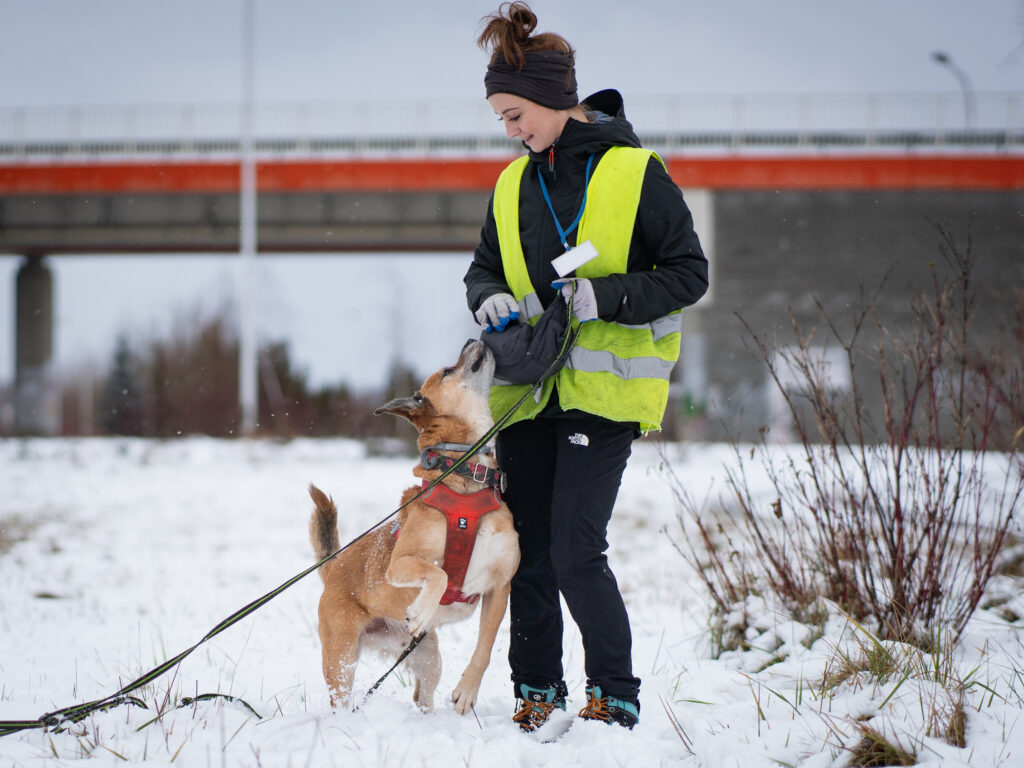
- Bond and attachment – Dogs form strong attachments to their humans, and their presence has a calming effect.
- Method of communication – A calm, consistent, and positive approach increases a dog’s trust, whereas punishment-based methods can cause fear and insecurity, disrupting trust.
Other factors:
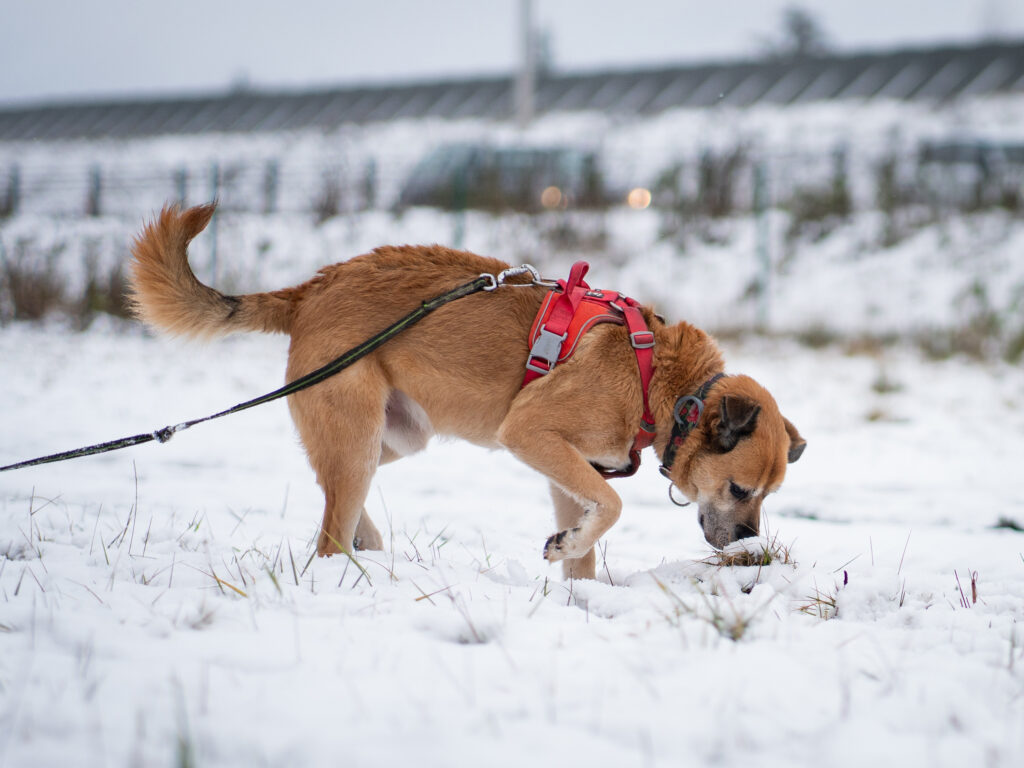
- Opportunity for exploration – Dogs feel safer when they can freely explore their environment rather than being subjected to compulsion or restrictions.
- Appropriate stimulation – Dogs need a moderate level of stimulation; both deprivation (isolation, lack of interaction) and excess (chaotic environments, noise) can cause stress and the risk of undesirable behaviours.
- Early experiences – Proper socialisation (neither too limited nor too intense) ensures that dogs exposed to various stimuli, people, and animals at a young age adapt better to novelty.
- Positive social interactions – Contact with other dogs and people in controlled conditions helps build confidence – social walks can be helpful here, allowing the dog to observe and meet friendly dogs, as well as cooperation with a behaviourist or animal psychologist.
Flexible needs
Movement and free exploration
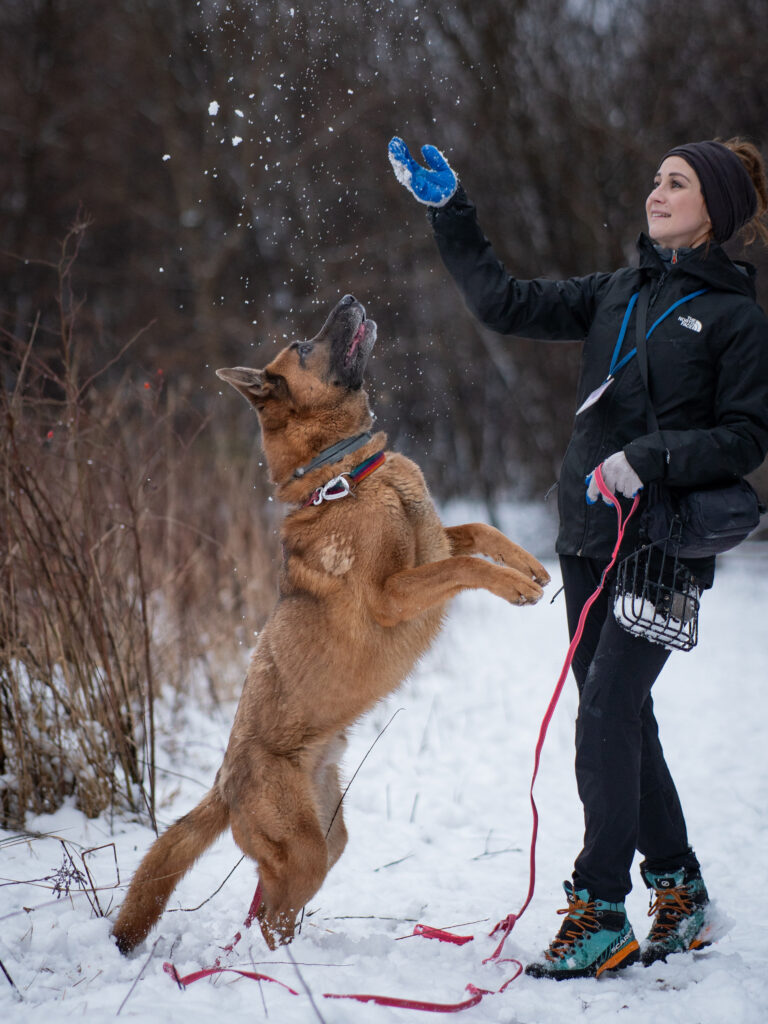
Dear readers, it’s time for a walk! Have you already taken your healthy dog for a half-hour walk today? I’ll bet that’s not enough. It’s time to pack up into the car or hop on a bus and head into the city to let your minds (yes, yours too) relax, your nervous systems reset, and your dogs – well, be dogs. If that’s not possible, a large park will suffice. Walks allow dogs to meet many other needs, such as social contact, play, individual preferences, socialisation affecting their sense of security, strengthening the bond with their owner, and much more. It’s far more than just movement and physical exercise – it’s key to keeping your dog emotionally balanced.
Furthermore, I believe a walk itself can be considered a need, as it provides necessary stimulation and exposure to the world. Dogs experience the world primarily through their noses – their most crucial sense. When processing olfactory information, our canine friends use an area of the brain ten times larger than ours! We also have to remember that the majority of a dog’s life is, unfortunately, painfully boring, spent waiting – for our return from work and for the walk, which is often their only opportunity to experience the world. The distance covered on a walk will depend on factors such as the dog’s age, but time spent outside doesn’t have to involve walking long distances – simply sniffing around while sitting on a blanket in the park is also valuable. Why is this important?
Importance of movement and free exploration in dogs in the context of olfactory perception and neurobiology
Movement and exploration of the environment are key elements of a dog’s welfare, impacting both physical health and cognitive functions. Dogs experience the world primarily through smell – around 10% of their cerebral cortex is involved in processing olfactory stimuli, significantly more than the areas responsible for vision. The opportunity to move freely and explore stimulates not only the olfactory system but also brain structures responsible for spatial orientation, such as the hippocampus.
Olfactory perception and exploration
Dogs have up to 300 million olfactory receptors (for comparison, humans have around 5 million), which means their perception of the world is heavily based on the analysis of smells. While exploring, dogs build complex ‘scent maps’ that allow them to identify other animals, people, food, and potential threats. Restricting this activity (for example, through short, monotonous walks on a lead without the opportunity to sniff freely) can lead to frustration, stress, and behavioural problems.
Impact of movement on the hippocampus and cognitive functions
The hippocampus, a key brain structure responsible for memory and spatial navigation, plays a crucial role in a dog’s ability to orient itself in its environment. Animal studies indicate that free exploration and movement:
- Stimulate neurogenesis, the creation of new neurons in the hippocampus, which improves cognitive abilities that affect… everything! Increased neurogenesis also provides protection against dementia.
- Enhance neural plasticity, facilitating learning and adaptation to new conditions.
- Reduce stress, as physical activity lowers cortisol levels and influences the balance of neurotransmitters associated with wellbeing. Sniffing also promotes the release of endorphins, serotonin, and dopamine, which are essential for maintaining emotional balance.
An adequate amount of movement, combined with the opportunity to explore the environment through sniffing, is fundamental to a dog’s life. In mammalian hippocampi, there are place cells that encode an animal’s position in space. Their activity is closely linked to movement – the more varied the spatial experiences, the more developed the spatial representation in the brain. Moreover, movement increases the production of brain-derived neurotrophic factor (BDNF), which supports neuron survival and development. Dogs that regularly explore their environment:
- Are less prone to fear and stress because their brains receive diverse stimuli that stimulate cognitive functions.
- Adapt better to new situations and surroundings.
- Exhibit improved memory, greater calmness, better socialisation, and fewer behavioural problems. Movement affects not only spatial orientation but also episodic memory and learning ability. Experiments using the Morris water maze demonstrated that rats deprived of exploration opportunities perform worse on tasks requiring memory of routes and objects. Findings from these studies prompted further research and extrapolation to other mammalian species.
- They have stronger relationships with their guardians.
Free exploration and movement are also fundamental components of cognitive and emotional wellbeing. Limiting these activities can negatively affect hippocampal function, increase stress, and lead to behavioural problems. A lack of physical activity and environmental stimulation results in reduced hippocampal volume and weakened cognitive abilities. In humans, this is observed in neurodegenerative diseases such as Alzheimer’s, where decreased physical and sensory activity can accelerate hippocampal atrophy. Similarly, studies on rodents have shown that individuals in impoverished environments have fewer hippocampal neurons than those exploring stimulus-rich spaces. The situation is no different for our canine companions.
Social interactions
It is no secret that social interactions within one’s own species are necessary for the vast majority of beings. Dogs also need interspecies contact – that is, quality time with their owners! Do not neglect this, even when you are tired after a long day away from home. But how can you ensure quality intraspecies interactions and make sure that simply walking past every dog you meet is not your only strategy for urban walks? Well, you will find out in upcoming articles!
Play, as well as licking, chewing, and biting
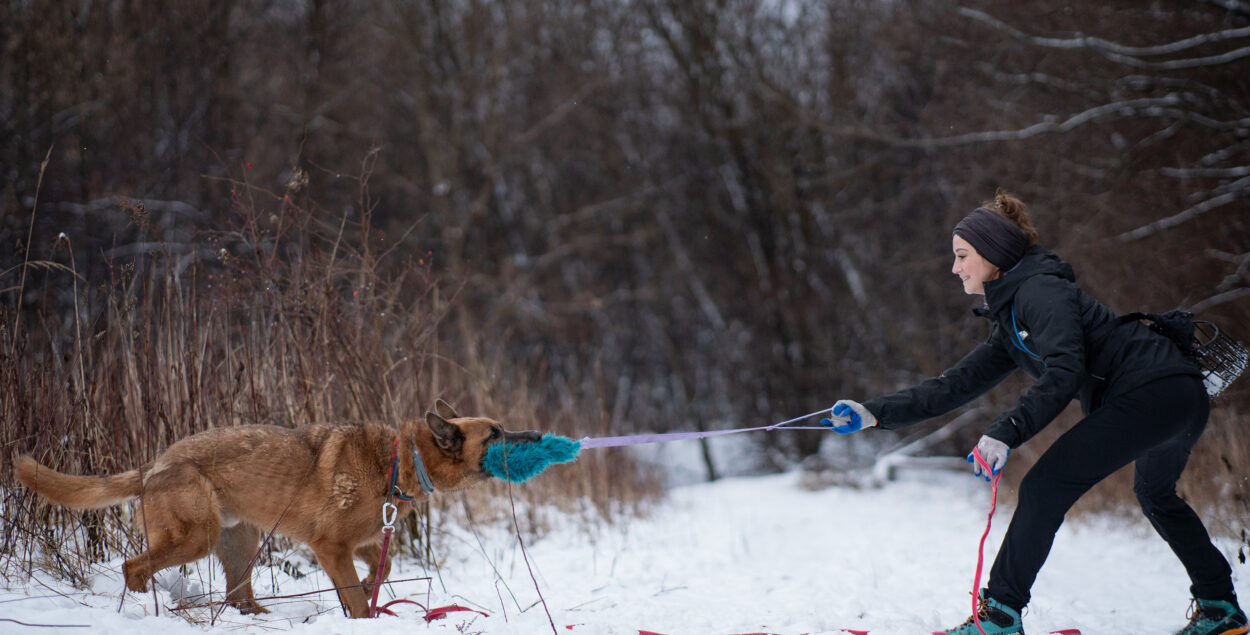
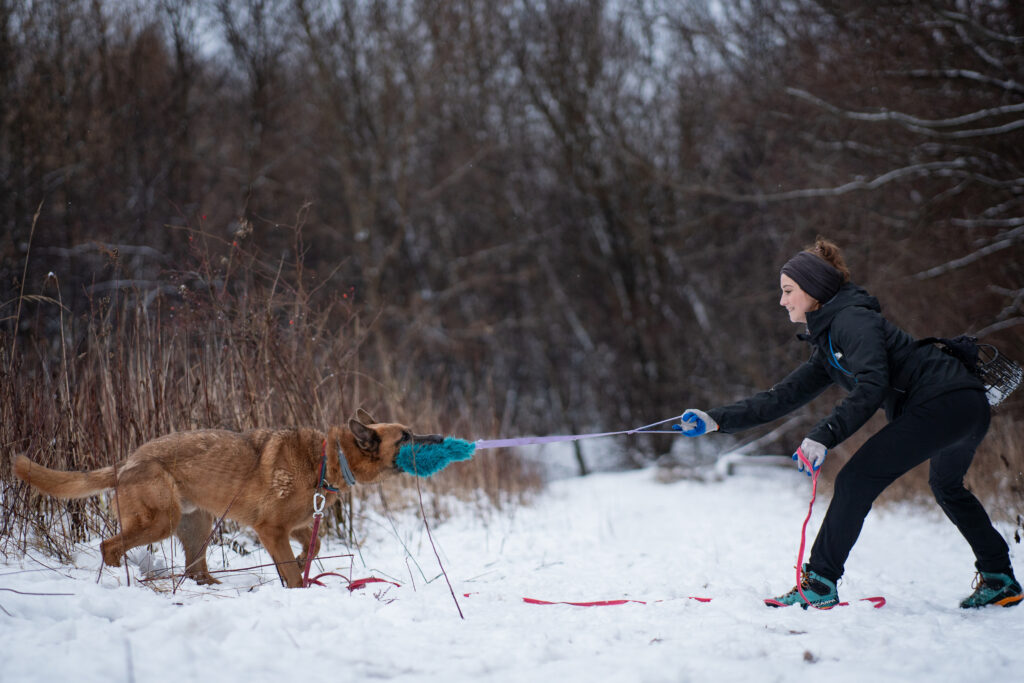
Speaking of the article on the predatory sequence, it is worth remembering that numerous individual drives associated with certain breeds are expressed through play based on elements of the predatory sequence. Therefore, providing opportunities for play by supplying appropriate toys, teaching the dog to use them, and dedicating time to play together with your dog will benefit both puppies and adult dogs. And tugging on, tearing up, destroying toys? We are all for it! This is also natural and part of the canine ethogram. Mental stimulation can also come from food-based games, searching for treats in the grass, using a snuffle mat, or so-called puzzle toys and interactive feeding toys.
What about licking, chewing, and biting? What kind of special expectations are these?
Licking, chewing, and biting play a crucial role in emotional regulation, stress reduction, and supporting mental and physical health. These activities have a direct impact on the dog’s brain neurochemistry, contributing to the release of neurotransmitters responsible for relaxation and wellbeing.
Impact on neurotransmitters and the nervous system
- Endorphins and serotonin – repetitive, rhythmic activities such as chewing or licking lead to increased levels of endorphins, the body’s natural painkillers, and serotonin, which has a calming effect and improves mood. As a result, dogs that regularly engage in these activities show reduced tendencies towards anxiety and hyperactivity.
- Dopamine – biting and chewing activate the brain’s reward system, causing a release of dopamine, which increases feelings of satisfaction and motivation. This helps dogs cope with boredom and provides a natural form of emotional self-regulation.
- Reduction of cortisol levels – studies show that intense licking and chewing can lead to lowered levels of cortisol, the stress hormone. This is particularly important for dogs experiencing separation anxiety or other behavioural issues.
Role in reducing stress and emotional tension
Chewing and biting allow dogs to release tension and frustration, especially in stressful situations or during prolonged periods without long walks, for example after surgery. Dogs that have (safe!) access to chew toys, gnawing objects, or natural treats exhibit lower tendencies towards destructive behaviours, such as damaging household items.
Importance for behavioural wellbeing
- Alternative to compulsive behaviours – dogs without the opportunity for ‘legal’ chewing may develop compulsive behaviours, such as excessive paw-licking or tail-chasing.
- Satisfying the predatory instinct – chewing resembles natural behaviours associated with breaking down prey, which are deeply rooted in a dog’s instinct. And here we return to play and toy destruction – remember, we are all for it!
Chewing, licking, and biting are not only natural behaviours but also key mechanisms for emotional self-regulation in dogs.
Individual needs and special needs related to type/breed
To understand these needs, in addition to carefully observing your furry companion, refer to the article on breed types and the influence of the predatory sequence on behaviour! Also remember that neutering or spaying a dog will cause a slight (but not total) reduction in interest in contact with unfamiliar dogs.
Caring for your dog’s wellbeing
That’s a lot of information, isn’t it? I hope so, because this may be the most important of my articles! Without meeting your dog’s needs, there can be no effective behavioural work with them. Finally, it is worth remembering that we are legally obliged to care for the welfare of our animals under the Animal Welfare Act.
Sources:
Amsel, A. (1979). Hippocampus, memory and movement. Behavioral and Brain Sciences, 2(4), 494–495. https://doi.org/10.1017/s0140525x00063950
Fine, L. G., & Riera, C. E. (2019). Sense of smell as the central driver of Pavlovian appetite behavior in mammals. Frontiers in Physiology, 10. https://doi.org/10.3389/fphys.2019.01151
Gaffan, D. (1985). Hippocampus: Memory, habit and voluntary movement. Philosophical Transactions of the Royal Society of London. B, Biological Sciences, 308(1135), 87–99. https://doi.org/10.1098/rstb.1985.0012
Gupta, S., Chhabra, S., Randhawa, C. S., & Grewal, I. S. (2022). Clinical management of acral lick dermatitis in dogs with comparison of fluoxetine and clomipramine treatment. Indian Journal of Animal Research, (Of). https://doi.org/10.18805/ijar.b-4943
Hölscher, C. (2003). Time, space and hippocampal functions. Reviews in the Neurosciences, 14(3). https://doi.org/10.1515/revneuro.2003.14.3.253
Kiatipattanasakul, W., Nakamura, S., Hossain, M. M., Nakayama, H., Uchino, T., Shumiya, S., Goto, N., & Doi, K. (1996). Apoptosis in the aged dog brain. Acta Neuropathologica, 92(3), 242–248. https://doi.org/10.1007/s004010050514
Knierim, J. J., & McNaughton, B. L. (2001). Hippocampal place-cell firing during movement in three-dimensional space. Journal of Neurophysiology, 85(1), 105–116. https://doi.org/10.1152/jn.2001.85.1.105
Kokocińska-Kusiak, A., Woszczyło, M., Zybala, M., Maciocha, J., Barłowska, K., & Dzięcioł, M. (2021). Canine olfaction: Physiology, behavior, and possibilities for practical applications. Animals, 11(8), 2463. https://doi.org/10.3390/ani11082463
Landsberg, G. (2016). COMPULSIVE AND REPETITIVE BEHAVIOR – ROUND AND ROUND WE GO – HOW CAN MEDICATIONS HELP? North Toronto Veterinary Behaviour Specialty Clinic.
Maslow, A. H. (1943). A theory of human motivation. Psychological Review, 50(4), 370–396. https://doi.org/10.1037/h0054346
Nadel, L. (1991). The hippocampus and space revisited. Hippocampus, 1(3), 221–229. https://doi.org/10.1002/hipo.450010302
Olton, D. S., Becker, J. T., & Handelmann, G. E. (1979). Hippocampus, space, and memory. Behavioral and Brain Sciences, 2(3), 313–322. https://doi.org/10.1017/s0140525x00062713
Taormina, R. J., & Gao, J. H. (2013). Maslow and the motivation hierarchy: Measuring satisfaction of the needs. The American Journal of Psychology, 126(2), 155–177. https://doi.org/10.5406/amerjpsyc.126.2.0155
Wu, W. (2012). The relationship between incentives to learn and Maslow’s hierarchy of needs. Physics Procedia, 24, 1335–1342. https://doi.org/10.1016/j.phpro.2012.02.199
Adoption Corner
Regardless of whether you choose adoption or a dog from a breeder, make your choice consciously. Mutual compatibility is the key to shared happiness. If you decide to choose a mongrel, visit the websites of the ‘Na Paluchu’ shelter (Schronisko Na Paluchu) and the ‘Friends of Paluch’ foundation (Fundacja Przyjaciele Palucha) to find out how to adopt responsibly.
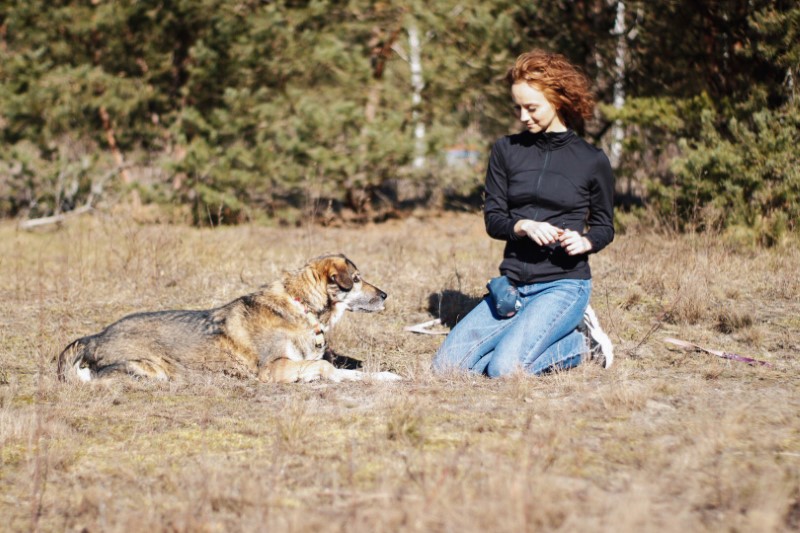
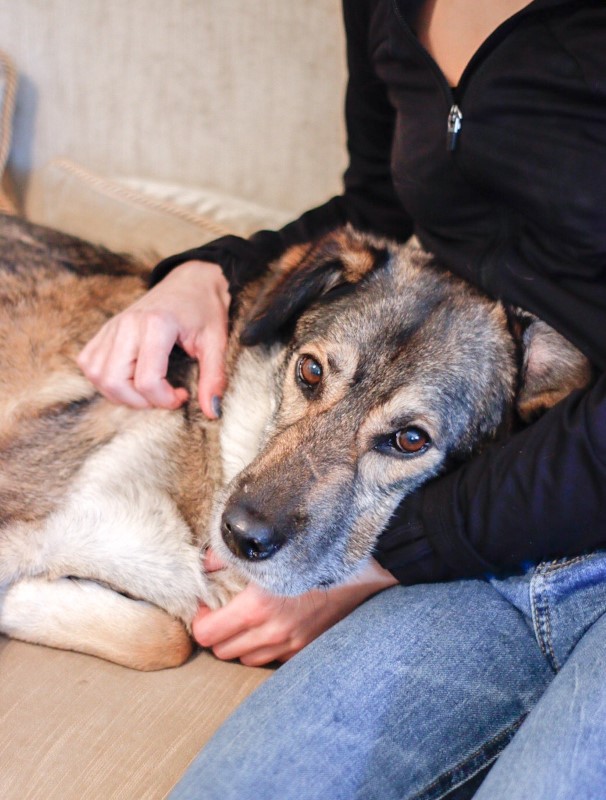
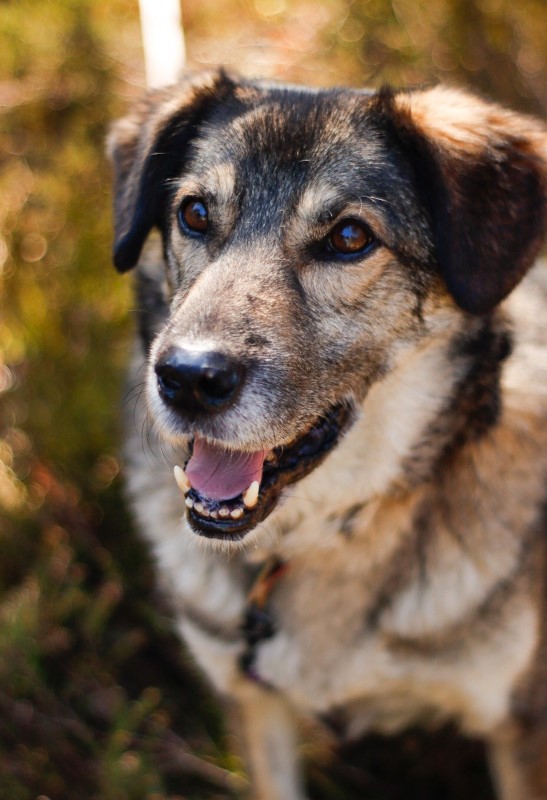
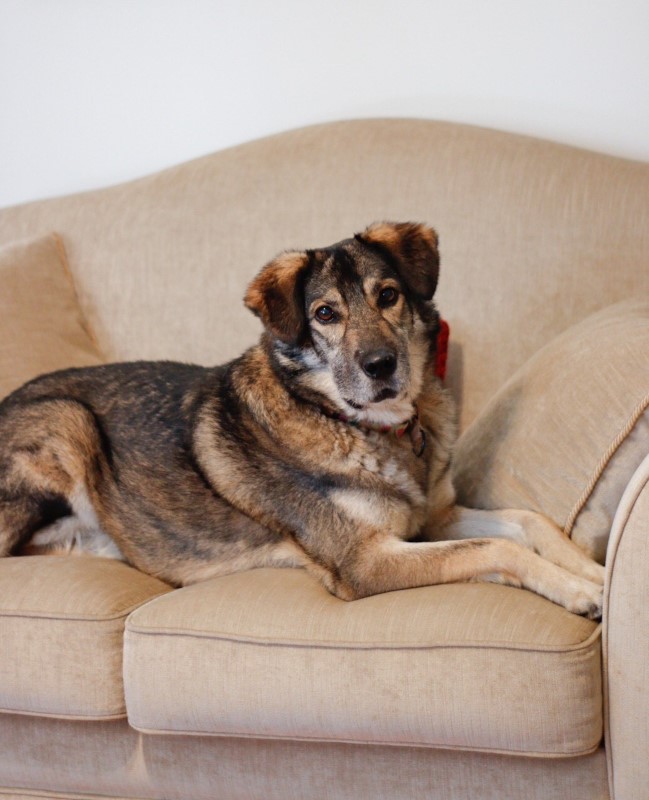
If you’ve read the article above and your head is spinning thinking about how on earth you’ll manage to meet all the needs of a young, active dog, take a deep breath. I have a solution for you – meet Nosek! This isn’t a marketing gimmick – Nosek is the perfect dog! He is mature, calm, and wise – he has gained plenty of life experience. Although his story is sad and full of disappointments with people and dashed hopes, Nosek hasn’t lost his cheerfulness, his love of peaceful walks, or his enjoyment of resting by his human’s side. He won’t demand hours of hiking from you, although he won’t say no to a trip to the woods. The catch? None! Nosek is beautiful, well-behaved, doesn’t pull on the lead, is happy to be left alone at home, travels well by car, and gets on with other dogs – PERFECT! We simply don’t understand why his promotion has stalled, and he’s still waiting for a home… It’s time to change that! Click the link and meet Nosek! https://przyjacielepalucha.pl/2024/12/nosek/